
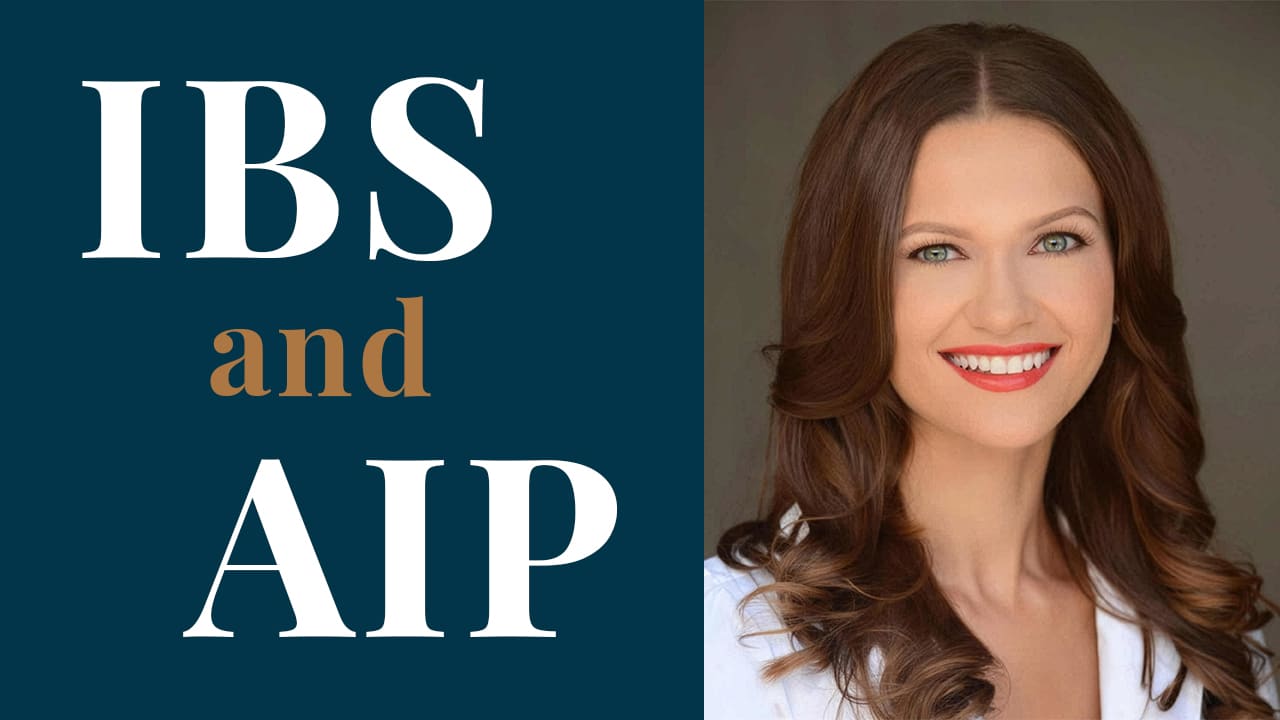
What if IBS isn’t a true diagnosis—but a placeholder? What if bloating, cramping, constipation, diarrhea, and food reactions aren’t signs that your body is “too sensitive,” but clues that something specific and treatable is being missed?
Less than 25% of people diagnosed with IBS get lasting relief from conventional treatment. And many people who go on to develop autoimmune disease report years—sometimes even a decade—of digestive symptoms before ever receiving a diagnosis.
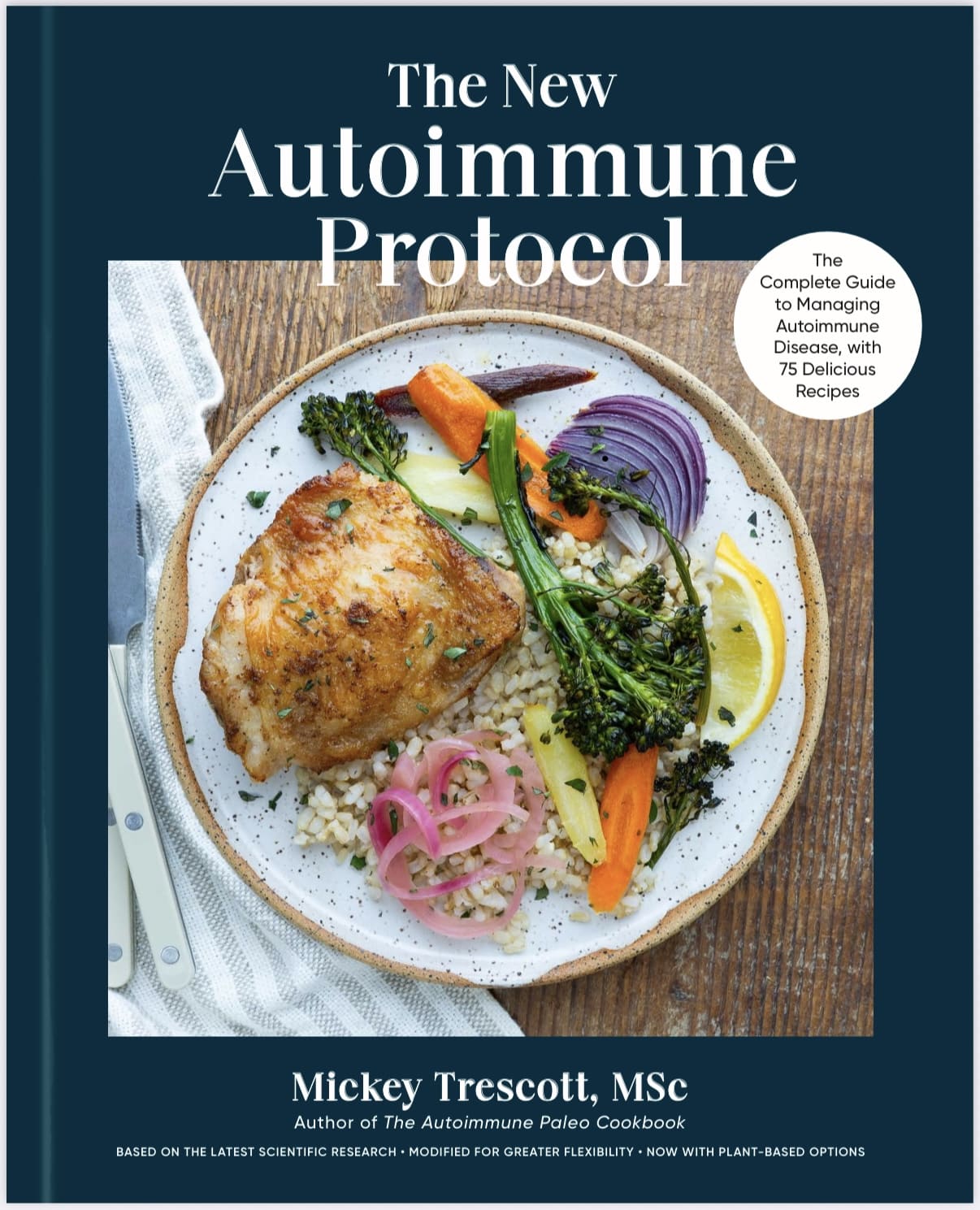
In Episode 71 of the Autoimmune Wellness Podcast, I’m joined by Dr. Izabella Wentz, integrative pharmacist, bestselling author, and longtime leader in the root-cause approach to chronic illness. Her newest book, Finding and Treating the Root Cause of Irritable Bowel Syndrome, reframes IBS not as a final answer, but as the beginning of a deeper investigation.
This conversation is especially important for the autoimmune community. Gut health and immune health are deeply intertwined—and ignoring persistent digestive symptoms can mean missing key opportunities for intervention.
.
Watch the Episode
.
Root Causes of IBS
In this episode, Izabella and I explore why IBS is often a label rather than a root cause. Historically, IBS was considered a diagnosis of exclusion—given when other conditions were ruled out. But newer research and improved diagnostics show that the vast majority of people with IBS symptoms have identifiable, treatable drivers.
We discuss research suggesting that up to 98% of IBS cases may have underlying causes that can be addressed. That statistic alone shifts the narrative from “this is something you’ll live with forever” to “this is something worth investigating.”
We also explore the connection between IBS and autoimmunity. Many individuals experience years of digestive dysfunction before developing an autoimmune condition. Intestinal permeability (often called “leaky gut”) is now recognized as a key factor in autoimmune development—and IBS symptoms frequently overlap with signs of gut barrier dysfunction.
Izabella walks us through conditions that may be misdiagnosed as IBS, including:
• Small Intestinal Bacterial Overgrowth (SIBO)
• Celiac disease
• Inflammatory Bowel Disease (IBD)
• Enzyme deficiencies
• Medication-induced digestive dysfunction
We also clarify the critical differences between IBS and IBD. While IBS is considered a functional condition, IBD (including Crohn’s disease and ulcerative colitis) involves structural inflammation and can be serious or even life-threatening if untreated. Red flag symptoms—such as rectal bleeding, unexplained weight loss, or persistent fever—should always prompt medical evaluation.
Nutrient depletion is another major theme in this episode. We discuss common deficiencies seen in digestive dysfunction, including zinc, glutamine, vitamin D, thiamine, carnitine, magnesium, and fat-soluble vitamins. These nutrients don’t just support general health—they directly influence gut motility, barrier integrity, and enzyme production.
We also unpack common recommendations like fiber, fermented foods, and polyphenols. While often helpful, these tools are not one-size-fits-all. For some individuals—especially those with SIBO or microbiome imbalances—fiber can worsen symptoms. Context matters.
Finally, Izabella shares foundational gut practices that benefit nearly everyone: slowing down, eating in a relaxed state, chewing thoroughly, and supporting the nervous system’s “rest and digest” response. These basics may seem simple, but they profoundly influence digestive function.
If you’ve ever been told your symptoms are “just IBS,” this episode is an invitation to ask better questions. Because labels are not root causes—and your symptoms deserve deeper understanding.
.
Resources
Izabella Wentz, PharmD Website: https://thyroidpharmacist.com
Instagram: https://www.instagram.com/izabellawentzpharmd
Facebook: https://www.facebook.com/thyroidlifestyle
Podcast: Thyroid Pharmacist Healing Conversations
Book: Finding and Treating the Root Cause of Irritable Bowel Syndrome
.
Listen to the Episode
.
Episode Timeline
00:00 – Is IBS a diagnosis—or a placeholder?
01:34 – Introducing Izabella Wentz
03:38 – Why IBS is often a label, not a root cause
11:07 – When IBS is actually something else
14:01 – Food reactions: IBS vs autoimmune sensitivities
18:35 – Why IBS and autoimmunity overlap
20:10 – IBS vs IBD: knowing the difference
23:09 – Nutrient deficiencies and digestive dysfunction
28:40 – Fiber, fermented foods & polyphenols
32:56 – Medications that contribute to IBS
35:08 – Gut health foundations for everyone
38:12 – Wrap-up and closing
.
Transcript
Below is the full transcript of Episode 71 of the Autoimmune Wellness Podcast.
This transcript is provided for accessibility and reference.
Title: The Root Cause of IBS with Izabella Wentz, PharmD (Ep 071)
Mickey Trescott: What if IBS isn’t a diagnosis but a placeholder? What if bloating, cramping, urgency, and food reactions aren’t signs that your body is overly sensitive, but clues that something specific and treatable is being missed?
Because here’s the reality, less than 25% of people diagnosed with IBS get lasting relief from conventional treatment and many people who go on to develop autoimmune disease report years, and sometimes even up to a decade, of gut symptoms before they ever receive a diagnosis.
So what if IBS isn’t the end of the story? What if it’s actually the beginning of asking better questions? Today we’re talking about root causes, enzyme deficiencies, bacterial overgrowth, thyroid dysfunction, hidden infections, food triggers, and the very real overlap between IBS, IBD, and autoimmune disease.
And this is a conversation that feels especially personal to me.
Mickey Trescott: Welcome back to the Autoimmune Wellness Podcast. I’m Mickey Trescott, and today’s episode is an interview I’ve been looking forward to for a very long time. We’re diving into a functional medicine approach to healing IBS and more importantly, how to think critically about digestive symptoms instead of accepting them as your normal. Because in the autoimmune community, gut health is rarely separate from immune health, and yet so many people are told their labs are normal, their colonoscopy is normal, their symptoms are just due to stress. But what if there is so much more to uncover?
[00:01:34] Introducing Izabella Wentz
Mickey Trescott: Today I am so honored to be joined by somebody who truly changed the landscape of root cause healing, and played a major role in my own healing journey. Dr. Izabella Wentz is a compassionate, integrative pharmacist, dedicated helping people uncover the root causes of chronic health conditions. Her work began after her own diagnosis with Hashimoto’s Thyroiditis in 2009, following years of debilitating symptoms.
She’s the author of many bestselling books, including The New York Times bestsellers, Hashimoto’s Thyroiditis, and Hashimoto’s Protocol, as well as Hashimoto’s Food Pharmacology and Adrenal Transformation Protocol. Her newest book IBS Finding and Treating the Root Cause of Irritable Bowel Syndrome, takes the same root cause approach to digestive health. Rather than accepting IBS as a final diagnosis, she explores the deeper imbalances that can drive persistent gut symptoms, especially for those in the autoimmune community, and offers practical research informed strategies to help people finally feel better from the inside out.
I first connected with Izabella back in 2013 when she was sharing her approach to Hashimoto’s in a way that felt clear, research backed and empowering. And at the time, I was navigating my own diagnosis and her work helped me understand my condition so much more deeply and ultimately manage it successfully.
It truly influenced the path of my own healing and the work that I do today. So thank you so much, Izabella, both for that influence in my own journey and for joining me today in this interview.
Izabella Wentz: Mickey, thank you so much for having me. It’s such a pleasure to be here with you. I love your work. I’ve been a fan of your work for such a long time, and it’s wonderful to be here together, sharing our insights, and hopefully helping even more people get better.
Mickey Trescott: Absolutely. So IBS is often presented as a final diagnosis. I really want to start here just because a lot of people have this curiosity about that diagnosis, what it means, and of course you are the person to be answering that question for us. So you actually frame it as the beginning of an investigation.
[00:03:38] IBS Is a Label—Not a Root Cause
Mickey Trescott: Can you start by speaking a little bit about why you believe IBS is so often a placeholder rather than a root cause in and of itself.
Izabella Wentz: Well, looking at the history of IBS and how it was diagnosed back in the day, it was a bit of a diagnosis of exclusion and doctors would essentially do lab tests to figure out if somebody had another cause of IBS. Eventually that kind of got shelved because there were no other causes that were found.
However, this was many, many moons ago, and since that time we’ve have better diagnostics. So we actually have identifiable causes for the symptoms of irritable bowel syndrome, which could be diarrhea, constipation, alternating diarrhea with constipation, painful stooling, digestive symptoms just in general.
And a study done in 2011 by Dr. Haba of about 303 people found that 98% of the time when somebody has the diagnosis of IBS, and I like to call it like a label, a waste basket diagnosis, is another thing that’s been thrown out there that I can agree with. But 98% of the time they had treatable causes. So there was something else that was contributing to their digestive symptoms that could be treated. And then they would no longer have digestive symptoms. They wouldn’t have to be on over the counter or prescription medications forever with limited results.
So that’s really why I talk about it. If you’ve got that label, that can be helpful. But it’s actually not the be all, end all. And the tricky part about it is when you get, let’s say a diagnosis like Hashimoto’s, which you and I are both very familiar with, there are certain things that you consider when you have Hashimoto’s, for example. We both know that the gluten-free diet can be very helpful for Hashimoto’s and there are certain nutrient deficiencies that are going to be presented in Hashimoto’s. Not that everybody has the same ones, but there’s going to be a bit of a template that we can follow and modify it.
With irritable bowel syndrome, there could be like dozens of different causes, and triggers and dozens of different conditions that just essentially get that label slapped on them. And I know we’re going to get into this a little bit more, but there could be something like celiac disease or inflammatory bowel disease that could be misdiagnosed as irritable bowel syndrome, IBS, and then the treatment approaches for those two would be very different. Right.
Mickey Trescott: Yeah, and I’m actually really impressed with that statistic, 98% treatable because especially speaking to the people listening to this podcast, most of us suffer from autoimmune disease. Autoimmune disease we know has a lot of strategies that we can use to manage, but very rarely is it put in that category of highly treatable.
So that should be really exciting to people to hear that if they are someone who is experiencing IBS or symptoms that finding those underlying root causes might lead to something that actually treats it and then they can move on, which is just unusual when we’re used to autoimmune disease, right.
Izabella Wentz: Yeah, and that’s amazing that you can actually move on with your life. You don’t have to be on a restricted diet forever. You don’t have to carry a SHIT kit with you everywhere you go. You don’t have to live your life around bathroom trips. Like you can actually just stop having digestive symptoms and you can restore a healthy level of digestion.
And the amazing thing too is when you do that, a lot of things do improve. So we do know that gut health is at the root of various conditions, including autoimmunity, anxiety, brain health, and skin health. And we end up finding that when we treat these causes, we can see a lot of other symptoms shift as well.
Mickey Trescott: Yeah, and that actually leads me to a follow-up question is just about how in your book you mentioned that IBS can precede autoimmune disease by up to a decade. What do you think that tells us about what’s happening in the gut before that autoimmunity is happening?
Izabella Wentz: You know, this is a really interesting question, and before you and I started recording, we were chatting about, you mentioned you were wanting to write this book about 10 years ago, weren’t you? Right. You were talking about it since probably 2013 this was going to be a book that I was going to write after the Hashimoto’s book.
So I was first diagnosed personally with irritable bowel syndrome many, many years before I got a Hashimoto’s diagnosis. And that irritable bowel syndrome was sort of like, okay, first I’m having digestive symptoms, and then a few years later I’m having anxiety, and then a few years later I’m having hair loss and so on and so forth. Like it just happened, there was this trajectory that occurred.
If you’re a person that looks at cause and effect is like, okay, if you’re not digesting properly, you have diarrhea, then probably you’re not absorbing certain nutrients. And maybe those nutrients can lead to anxiety or thyroid dysfunction. And yes, this is a big part of it, but there’s also this interesting body of research looking at what drives autoimmunity. Dr. Alessio Fasano was one of the famous people in functional medicine who talked about the three-legged stool of autoimmunity.
In order for you to manifest an autoimmune condition, you need to have three things present. You need to have the genetic predisposition, you need to have some kind of a triggering event. And then you also need to have intestinal permeability, which in simple terms is called leaky gut. But if you’re trying to talk to a scientist, you can’t use the word leaky gut ’cause they’ll be like, that doesn’t exist.
So, intestinal permeability, what does that mean? That means that your gut is permeable. It’s normally supposed to be sealed off so that the things that are in your gut, stay in your gut and don’t get into your bloodstream. Whereas in intestinal permeability, there is a break in that gut barrier, and Dr. Fasano has found every case of autoimmune disease has this intestinal permeability component.
And what are the symptoms of intestinal permeability? You guessed it. If it’s symptomatic, it’s going to be pretty much irritable bowel syndrome symptoms. So like bloating, diarrhea, constipation, digestive distress. Many symptoms like that are going to be presenting. Now, I will say some people can have intestinal permeability and be completely asymptomatic. But there is a really good chance that if you have IBS, you are going to have some degree of intestinal permeability specifically, especially if you have diarrhea.
When I first started functional medicine training to start healing myself and trying to figure out what was going on within my own body. One of the lecturers at the Institute of Functional Medicine talked about this, and that was one of the pearls. It was like irritable bowel syndrome oftentimes precedes autoimmunity by 5, 10, 15 years. And certainly that was the case for me, and it’s also been the case for a lot of the clients that I’ve worked with.
Mickey Trescott: I’m sure a lot of people are listening right now and thinking about their trajectory with autoimmune disease and really thinking about how their digestion in and their gut changed. Personally, I wasn’t diagnosed with IBS, but I started to have changes in my bowel habits that as a young person I did not know were normal, which is a whole another topic, right?
I think a lot of people can probably relate to that cause and effect and that pathway there. So that is very interesting to the autoimmune community.
[00:11:07] When IBS Is Actually Something Else
Mickey Trescott: Let’s talk a little bit about when IBS is actually something else. Because you talked a little bit about it being kind of a waste basket diagnosis, everybody just kind of being thrown in here when you have gut symptoms and it’s nothing else. But how often is IBS actually masking something that is really highly identifiable and treatable? Like in your book you talk about SIBO, celiac disease, IBD, or even enzyme dysfunction.
Izabella Wentz: I would say every time that, you know, IBS is just essentially a label. It tells us what symptoms you’re having, but it doesn’t tell us why you’re having those symptoms. And so we do need to do a deeper investigation because if you have SIBO, for example, you’re going to have an overgrowth of bacteria in your small intestine, and the goal is to get rid of those bacteria in your small intestine. If you have celiac disease, then you’re going to be reactive to gluten, and the goal for in that case is to get rid of gluten. And then you can have food sensitivities that are causing you to have IBS.
For some people, the IBS can be medication induced. There’s actually a very popular birth control type that came out about 20 years ago called Yasmin or Yas is the brand name, drospirenone is the ingredient in that, the progestin ingredient that has been correlated with higher levels of IBS and IBD because it can impact the gut lining. Opiates, for example, are notorious for causing constipation, so there’s like different things we want to look at. If somebody is having digestive distress, we don’t just throw fiber at them, we don’t just give them Imodium to calm the symptoms. We want to make sure we figure out like what is actually driving these symptoms.
Now we talked about some of the statistics with Dr. Haba’s work finding 98% of the causes were treatable. Some of the causes, research shows 10% of those diagnosed with IBS can actually have inflammatory bowel disease, which needs to be treated differently, is more serious and more damaging. And then another 25% might actually have celiac disease. And again, this is something that’s not going to respond to fiber, it’s not going to respond to probiotics.
And so it’s really important that we get the proper diagnostics, working with our doctor to figure out what the heck is going on, and treat it appropriately because there’s different things you need to do depending on what’s going on.
Mickey Trescott: Great. Thank you for that explanation. Because I think a lot of people who are in that investigation stage, sometimes it’s really easy to lump in gut symptoms as minor, but there are actually a lot of very specific things that range from minor to very serious that people need to get investigated and know if that’s what’s affecting them.
[00:14:01] Food Reactions: IBS vs Autoimmune Sensitivities
Mickey Trescott: Let’s talk a little bit about food reactions, and what I really want to know is really the difference between IBS food reaction and autoimmune sensitivities. Now, my audience is very familiar with food reactions and the autoimmune community. We do AIP, we do food reintroductions. We’re always listening, but we also know that all these reactions are not the same, sometimes there’s gray area foods.
So I’m curious how a food trigger in IBS differs from an immune or an autoimmune sensitivity.
Izabella Wentz: Well, so there could be various things that can trigger IBS, and then autoimmune food sensitivities are one particular item, right? There could also be histamine mediated reactions to foods. People can have, let’s say, reactions that are driven by the IgE, part of the branch of the immune system. So like more true allergies. People could be sensitive to food additives such as erythriol, for example.
Many years ago there was this gummy bear company, Haribo, that decided to create a sugar free version of their gummy bear, they put a type of sweetener in there that basically acted like an osmotic laxative. So people that ate too many of those gummy bears, because you can’t just have one gummy bear, right? So they would eat like a whole package and they would experience what was not so affectionately called the gummy bear cleanse. And so they would have explosive diarrhea after eating gummy bears, right? Because of the sweeteners that were utilized.
And this is going to be related to potentially the dose of it, right? I remember when you came over to my house for dinner one day when I lived in Boulder and I ran out of like coconut oil. So I decided to make something with MCT oil. And then my husband’s like, what were you thinking? Like they’re going to have diarrhea all night. Just even things like MCT oil or oils or fats, when you can’t properly digest them, they can actually produce diarrhea symptoms.
And so there’s also going to be things like high nickel foods. This is a big driving food reaction in irritable bowel syndrome. And other types of things for different people with with IBS that I feel like differ a little bit from the traditional autoimmune patients, they might actually react to a lot of raw and fiberous foods. One of the most surprising things for me is I had one client that was reacting really poorly to lettuce. Like raw lettuce was driving his diarrhea. Right.
When I was starting with functional medicine and lifestyle medicine, everybody was talking about, okay, eat more greens, eat more vegetables, and you can be reactive to things like blueberries and other types of healthy foods because your gut microbiome that normally digests fiber is just off.
And then there’s also foods that are fermented foods, some people might react to. Some people might react to FODMAP foods. So there’s actually a lot of different potential things that can trigger IBS in different people. And a lot of times it is trying to figure out what it is. For some people it’s lactose intolerance. Other people, it’s fructose intolerance and we want to kind of dial that in instead of eating, cups of ice, right.
Mickey Trescott: I completely agree with so much of what you said about the nuances in thinking really about everything that we’re eating. I mean, AIP can’t remove everything that is a potential trigger, especially for IBS. But so many people have layers where they have an autoimmune disease and then they also have gut conditions where they have different tolerances for different types of foods, and I love the ones that you mentioned.
I mean, the lettuce is actually a really big one in the IBD community, so I’ve known people that have strictures. If you just think of even the iceberg lettuce, it seems like nothing, but that can be something that causes people so much pain because of the type of fiber and how it actually has to move through the digestive tract.
The nickel foods. I hope that some of you guys go through and look through some of those lists in Izabella’s book because that was a new one for me. And then of course those food additives, I mean, guar gum, you know, the thickener. I’ve had different people just really hone in on why, when I eat this very specific type of coconut milk, do I have an issue? And usually it’s something like that, an additive or something. Thank you so much for that explanation.
[00:18:35] IBS & the Autoimmune Community
Mickey Trescott: Let’s continue talking about IBS and autoimmunity, and let’s talk a little bit about why they overlap so frequently. So we’ve already talked a little bit about IBD, but can you speak to that, just kind of why they go together?
Izabella Wentz: Yeah. Birds of a feather that go together. Right. IBS tends to co-occur with a lot of different conditions. It’s very interesting because people with IBS tend to have higher rates of fibromyalgia. They have higher rates of anxiety, depression, mood disorders, and so on and so forth. I think it just goes to speak that our gut and the foods that we eat, digest, and absorb and all of those nutrients, they play such an important role for all the functions that our body needs to do on a daily basis, whether that’s fixing ourselves, creating immune complexes and so on and so forth. So I think it’s just like when we’re so depleted, we’re going to be at a greater risk for developing autoimmunity.
We also know that when we have intestinal permeability, which I could say probably I could use IBS and intestinal permeability interchangeably for the most part, is we’re going to get some of these food particles that are going to be appearing in our bloodstream and we’re going to get immune complexes that are going to be appearing within our body, that can actually trigger some autoimmune reactions. If you have a thyroid condition or an autoimmune condition, you really should be thinking about optimizing your gut and figuring out how to improve that process.
[00:20:10] IBS vs IBD — Knowing the Difference
Mickey Trescott: Let’s talk a little bit about IBS versus IBD. They have very similar names. And people really need to know the difference because they are not the same condition. Can you talk a little bit about that?
Izabella Wentz: Sure. So Inflammatory bowel Disease is the full name for IBD and it’s a little bit confusing because it sounds like IBS, and it’s also happening in the gut, but these are conditions like Crohn’s and ulcerative colitis. They do involve chronic inflammation of the gut which can actually damage the mucosal lining in the gut.
Whereas IBS is considered more of a functional condition. This is more of a structural condition. So you can actually, if you were to examine the gut, you’d be able to see that there was damage potentially ulcers and so on and so forth. And one of the things to really keep in mind with these conditions is they can be life-threatening and that you do require more advanced treatment for them. Some of the symptoms I like to think about red flag symptoms. If you have any kind of bleeding with your bowel movements, if you have any weight loss or fever, these would be some of those red flags symptoms to consider.
And there are lab tests that can be done such as a colonoscopy to rule this out. Calprotectin, if this is a marker that’s elevated, that could indicate that you have inflammatory bowel disease. This is a good marker for inflammation in the gut. The conventional medical approach for IBD is going to be focused on heavy duty drugs. And some of them might be biologic drugs. And I think these drugs have a time and a place. But there’s also functional medicine ways to heal inflammatory bowel disease.
One of the reasons why I finally wrote this book after many years is because my husband was actually diagnosed with inflammatory bowel disease, and fortunately, I had just gone to a functional medicine training about it, and I had three really close friends in Boulder that helped us get him into remission very quickly.
But the pathway to remission with IBD is going to be way different than with IBS and the things that I would normally recommend for somebody with IBS can actually cause problems in people with IBD. And so it’s really important to get that differential and figure out with your practitioner, what are you actually working with, right?
Mickey Trescott: That’s a really good, a really good clue for people to put that together. And also just the urgency and seriousness of ruling out IBD for people that have those symptoms. I know someone who very recently in my life was having symptoms for six weeks and they just thought that they were going through a flare of some gut symptoms.
So if you are having any of those symptoms and it’s escalating and you’re having lots of diarrhea and there’s blood. Go to the doctor, get that checked out because there are consequences for not treating it right away if that’s what it is. Thank you so much for that take.
[00:23:09] Nutrient Deficiencies & Digestive Dysfunction
Mickey Trescott: I would love to move on to one of my favorite topics, nutrients and specifically nutrient deficiencies and digestive dysfunction. feel like this is just where your book really shines in talking about the nutrient deficiency and how it leads to dysfunctional conditions in the gut. And I’d love to know which nutrients you most commonly see depleted and how that is worsening gut symptoms for people.
Izabella Wentz: Yeah, it’s kind of interesting because with nutrient deficiencies, is it like the chicken or the egg? So we do know that if you are somebody that has irritable bowel syndrome, and let’s say malabsorption, you’re not going to be absorbing certain nutrients, right? So you can become deficient in them. And then sometimes it can be a vicious cycle where you are deficient in something and then you end up having more symptoms. Right?
And a lot of times what I see is people tend to be deficient in zinc. Zinc can be very commonly depleted in irritable bowel syndrome. In some cases, taking zinc can help resolve diarrhea. Glutamine is another common thing that people tend to be depleted in, and this again, can help resolve diarrhea. When you take that vitamins A and D, typically for anybody with any kind of health issue you can find a study that they are low in vitamin D and addressing vitamin D can be very helpful. Also interestingly, I have found thiamine deficiencies, magnesium deficiencies, carnitine deficiencies, fatty acid deficiencies in people with constipation.
It was really interesting. There was a study done in people with intellectual disabilities. And I used to work with that population in my early years as a pharmacist. And we had a lot of clients with like intractable constipation and we tried everything. I used to give a lot of presentations about constipation. I used to call them talking shit with Izabella Wentz and they were, they were more like, you know, which drugs to use and I would train caregivers on how to recognize the signs of constipation and give them some lifestyle strategies.
And interestingly, carnitine deficiency has been found to be a risk factor for constipation in that population. It’s one of those deficiencies that doesn’t get enough attention, doesn’t get enough studies. It’s also been found to be deficient in people with thyroid fatigue, for example. But carnitine can help us with moving our bowels. It can help with like smooth muscle contractions and a lot of times when people are immobile, they don’t have really good muscle tone. They can be deficient in this really helpful nutrient.
And then there’s also thiamine. So interestingly, there’s been some cases of people with intractable constipation and utilizing some thiamine can help with that. And this is something that I find very fascinating because I find a lot of people with thyroid dysfunction are also deficient in thiamine.
Mickey Trescott: That’s so helpful. I hope everyone is just thinking about some of these nutrients and like, of course, I know my audience really likes thinking about food. When I look at this list, of course I’m thinking organ meats. We’ve got our fat soluble vitamins, our vitamin A, our D, glutamine, I’m thinking bone broth of course, and meat. Carnitine, zinc, thiamine I’m thinking, you know. Animal foods and connective tissue. So I know that you talk a lot about supplements in your book and can guide people towards that if that’s something that they’re looking for. But I just want to encourage you guys too, to think about the dietary side.
And you know, before I really transitioned my diet, I had been eating a vegan diet and I really think that that was a big factor in my gut symptoms because I was. Undoubtedly really low in things like zinc and B vitamins and glutamine and just protein in general. So, I think this is all just so helpful for people who are troubleshooting.
Izabella Wentz: To add to your point, yeah. A lot of those nutrients, like you said, are going to be derived from animals, right? And so glutamine and zinc, and you look at that list and yeah, carnitine? The only place we can get carnitine is from red meat. I do see a lot of people like yourself that would say, I got so much worse going vegan or vegetarian, and then reintroducing quality meats into my diet, was what turned my health around.
So I feel like this is a very important thing for people to consider. The only thing that I would say probably you probably can’t get enough from diet would be magnesium. And a lot of times that is a big game changer for constipation. But all of these nutrients really available in high quality animal meat.
Mickey Trescott: I just want to say one thing just about how that goes counter to what we’re told, especially in the vegetarian community, that meat is really hard for your digestion or bad for your digestion. And when I switched over to eating meat, my body was just like soak it up! Like I just felt like my digestion changed from being very slow and sluggish to just go churning through the food overnight. That just went counter to all of the information that is shared within those communities. Because I think of the lack of understanding of just how nutrients support digestion. So I’m really excited to see this in your book.
[00:28:40] Fiber, Fermented Foods & Polyphenols — Getting It Right
Mickey Trescott: Let’s transition to talking about fiber, fermented foods and polyphenols. Let’s talk about all of the exciting things that people are super into right now, which I know can be tricky with IBS. Fiber especially is often really recommended. It can make people so much worse. And how are you approaching fiber intelligently, especially with some of these different options that are on the market?
Izabella Wentz: It is kind of tricky because for some people, fiber can actually make them feel worse. Right? Especially if they start too much at once. And so we tend to start low and go slow when it comes to fiber. And a lot of times I would say, I am thinking about why are you not doing so well with fiber and potentially it could be your microbiome.
If you have a microbiome that is full of pathogenic bacteria, you’re going to be feeding those bacteria and they’re going to be giving off those pathogenic byproducts that are going to make you feel off. And so a lot of times I’m thinking about the whole picture versus if you are having poor reactions to fiber, then we want to think about your gut microbiome.
And that could be maybe SIBO, small intestinal bacterial overgrowth that we want to think about or we also want to think about the bacteria in your colon, like what are they doing? Who are they? How do we adjust them so that they make you really nice things out of fiber. When you feed them properly they give you beautiful butyrate that can help your skin glow and your brain feel amazing versus some of these problematic byproducts. There is a big push to if you have constipation, take fiber. If you have diarrhea, take fiber. Everybody should take fiber and take lots of fiber.
But I would say for me I’m really looking at the person’s symptoms. If you find that getting a little bit of fiber in your system makes you feel better, amazing, great. Keep up the good work. I really like inulin. I think that’s a really great option for many people. PHGG is another option that a lot of people tolerate really well, but I’m not going to say everybody that has IBS as the diagnosis needs to take fiber.
Mickey Trescott: I think you’re smart to highlight just that individuality piece. And I’ve even seen things like having clients with low iron not do well with like psyllium husk because sometimes these fibers are binding things up, nutrients that we want people to digest in the gut and clearing them out. Also with, partially hydrolyzed guar gum, it can actually lower cholesterol quite a bit to a point where it’s actually too low.
So everybody’s mileage may vary with this, but it’s kind of one of those things. I know everybody wants to just have the thing that this is good for everyone, just take it. But trying it out, having your labs done, seeing how everything is working and deciding what works for you is really the right approach.
And then, do you have anything to say about, polyphenol rich foods for some of that gut barrier healing? Because I know there’s a lot of research about that right now.
Izabella Wentz: Yeah, so polyphenol rich foods are an incredible option to add into our rotation because they can be very helpful for maintaining a healthy microbiome and helping to heal the gut. Also great for skin health, I love them for that. I like to have like a polyphenol jello, I have a recipe for that in my book where you would use gelatin with a pomegranate juice and you could put some blueberries in that. And we think of like really bright fruit, adding that into your system as long as they’re well tolerated, this is going to be very helpful.
Mickey Trescott: Awesome. Can you mention some of your favorite high polyphenol foods, just so people know what we’re talking about? Like you mentioned some of the berries and juices, but is there anything else on that list that people could think about?
Izabella Wentz: Green tea, matcha. This is currently my favorite place to get my polyphenols. And then blueberries, cranberries, strawberries, bright red colored fruit.
Mickey Trescott: I love that. And often those berries are low in sugar too, so I know a lot of people are kind of watching their sugar balance and they’re just such a concentrated source. That’s why those berries taste so strong in their tart is because of all that polyphenol content.
[00:32:56] Medications That Contribute to IBS
Mickey Trescott: Let’s talk a little bit about medications that contribute to IBS. I know we’ve kind of dipped our toes into this throughout this discussion, but maybe you could give us an overview of kind of the different areas and the different medications that can cause issues that should be on people’s list if they’re looking to troubleshoot.
Izabella Wentz: So definitely if you are taking any pain medications, I would look into that as a potential trigger for your constipation. If you’re taking any antihistamines or diuretics. So things that can dry you out. This can be a potential cause of constipation. Really important not to overlook that. Proton pump inhibitors can be problematic. Iron supplements, so I know a lot of people with in the thyroid community tend to be deficient in iron. Right? And then those iron supplements can really back us up as well.
With different medications that can cause diarrhea. Again, I would look at those oral contraceptives because they can potentially damage the gut lining. Looking at different things like NSAIDs and metformin. You know, there’s just so many different things that I’m like, if you are on a medication and if you are having digestive symptoms, I want you to go and talk to your pharmacist, and they could review your list of meds, especially if you take more than a few of those, and they can tell you which of these can be potentially contributing to your symptoms and they can recommend alternatives that might be a little bit more gentle on the bowels.
I know one of the things that I had seen as a pharmacist working with individuals is just the incredible amount of polypharmacy and this prescribing cascade. So you might get on one medication for one symptom, and then all of a sudden you develop side effects from that medication and then you get placed on another medication for those side effects and so on and so forth. And it’s really important. I also want to add any kind of mood related medications. They can be notorious for. Impacting our bowel habits.
Mickey Trescott: Great. Thank you for that.
[00:35:08] Gut Health Foundations for Everyone
Mickey Trescott: So as we start to wrap up, I would love to have your best tips for gut health for everyone. So whether somebody has IBS, autoimmunity or just a normal person who wants better digestion, what are your top foundational gut health principles that apply to everyone knowing everything that you know? Where would you start?
Izabella Wentz: It’s just how you consume your food and what kind of state that you’re in is going to make a tremendous difference. So when we think about our body, how it’s set up, we’ve got like the fight or flight system, right? And everybody can imagine what that is. If you’re being threatened, you want to be activating that part of your autonomic nervous system, and then you’ve got your rest and digest system.
And so where do we want to be when we’re eating right? We want to be in that rest and digest system. A lot of us are living in modern life and we’re eating in the car, we’re eating on the go, we’re eating, standing up. And so if you can set up like a calm environment for yourself to eat, that would be a really great place to start.
And it doesn’t have to be like a five star experience every time with proper silverware, right? You can just take a few deep breaths and center yourself. I do recommend sitting whenever possible. I’m a mom, I know it’s not always possible, but sitting, doing some deep breathing, I love saying a prayer or some kind of a gratitude or some kind of intention before starting my meal. I think that can be very powerful and a very powerful sign to your system that it’s time to digest, digestion does start in the brain.
And then we go with chewing our foods. Chewing our food is so, so important because it helps start the digestive process. When we chew our food properly, then we start producing saliva, which has some digestive enzymes in it, like amylase, and so that can kick off the digestive cascade because our cascade for digestion is like a multi-step process. And if one step gets messed up, then the others are going to suffer as well. So we’ve got like different enzymes that digest our proteins and enzymes that digest our fat. It’s actually kind of a complex process. And so the way that we can support that is by chewing our foods, slowing down, not wolfing things down, right? Because it does take some time for that process to kick in, and being in a really calm and relaxed state. And I feel like this is going to help a lot of people.
I don’t want to say people, oh, irritable bowel syndrome is all in your head. I don’t believe that. I think there is an actual physical and physiological component to the imbalance, but they do find that any kind of cognitive behavioral therapy, yoga, meditation, basically anything that calms you can be helpful for IBS symptoms. So I would definitely recommend having that kind of a practice in your life, and not just for your IBS, but just in general for your overall wellbeing.
[00:38:12] Wrap-Up & Closing
Mickey Trescott: Thank you so much for that, Izabella. I think people will really enjoy those practical tips, and this whole interview has just been thoughtful and empowering. I love how you approach IBS, not just as a label that people have to live with, but as an invitation to dig deeper and ask better questions, and having looked through your book in depth, I know this is going to resonate not only with people who have been diagnosed with IBS, but with so many people in the autoimmune community who are still trying to put together those little pieces of their story. That is something that you are an expert in.
And like we said at the beginning, you and I originally connected on this Hashimoto’s journey and really learning how to put together those pieces in my own journey. So I hope that you guys all check out Izabella’s book because it is just so thoughtfully done. And thank you so much for continuing to do this work, for all the research, the questioning, and giving people practical tools to actually feel better.
And for everybody listening, let them know where they can follow you, tell us a little bit more about your book and where they can get a copy.
Izabella Wentz: Of course. Thank you so much for having me, Mickey. I really love your work and I really appreciate how you show up in the world, and thank you for taking the time to educate people with me. My book is called Finding and Treating the Root Cause of Irritable Bowel Syndrome. So it is this entire book, you can get that on Amazon and Barnes and Noble, your independent bookstores wherever fine books are sold.
And you can connect with me through social media. I’m @izabellewentzpharmd on Instagram. Also facebook.com/thyroidlifestyle, or you could look for thyroid pharmacist, Dr. Izabella Wentz on Facebook. I’m also on YouTube, and I also have a podcast. Mickey will be a guest on my podcast to discuss her upcoming book. And you can find that, Apple, Spotify, and that’s going to be Thyroid Pharmacist Healing Conversations.
I’m really excited to connect with everybody and I’m hoping that this book will really change how people’s irritable bowel syndrome and inflammatory bowel disease is approached. I know when I was diagnosed with Hashimoto’s, there wasn’t a ton of information out there about all the different causes and triggers. And so I decided to put that together and I still feel there’s somebody else that’s going to write a book about IBS and, and they’re going to figure it out. Everybody else is so much more knowledgeable. But for the longest time people think that IBS, you either have it forever or it’s just SIBO and you need to be on a low FODMAP diet, but there’s so many other causes and solutions.
So hopefully this book will be a tool that people can use for years on end on how to recover from IBS and potentially prevent the progression of autoimmunity in their bodies. So that’s really my hope and goal and why I spent two years writing this insane book.
Mickey Trescott: Yeah, Izabella, I think you and I share the same goal of just making it easier for the next person, and even when those conditions, like you have a knack for picking Hashimoto’s, IBS, these are things that are just not straightforward and approachable and easy to write a book about. So, hats off to you for tackling that, and thank you for everyone who’s going to benefit. I know they’re going to get so much out of it.
I’m going to make sure, for everybody listening, I’m going to link to Izabella’s website, her socials, and the book and the show notes so you can easily find anything. If this episode resonated with you, please share it with someone who’s been told their digestive symptoms are just IBS. I know in the autoimmune community, we’re a little bit of a smaller community than the IBS community, so I’m sure you know someone, make sure to share. There might be more for them to uncover and more hope than they have been given.
So thank you so much for being here, Izabella, and for everybody listening, we’ll see you next time. Bye!
.





0 comments