AIP Kitchen tour is a monthly feature where we profile someone who eats AIP and has agreed to share their kitchen setup with the community, in hopes that they can further inspire us to get our kitchens organized and set up for success! We’ve heard reports of people who are able to make AIP work in college dorms and small city apartments to large households ...
AIP Kitchen Tour – October 2015

Sautéed Chicken Livers with Riced Cauliflower, Collards and Herbs
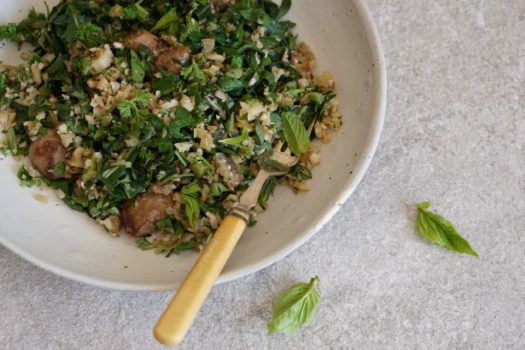
This is the kind of recipe that has no real formula. The question to ask is how much do you love your herbs? Personally, I can’t get enough of them, so much so that my fridge contains at least two large packed jugs at any one time. Cooked or raw, I include herbs in every meal and never in proportions any less than generous. It is worth ...
Pumpkin Spice Granola
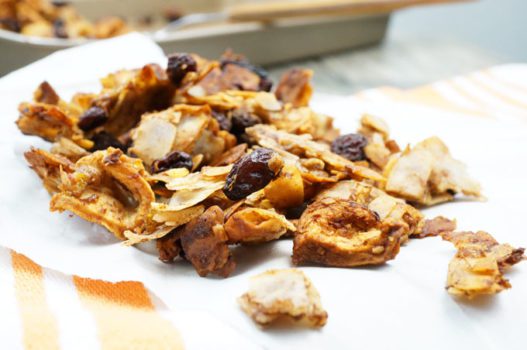
Fall can bring nostalgia to even those who live in season-less environments. I grew up in a small beach town in Central Florida, and I can count on one hand the number of times it dipped below 80 degrees on Christmas Day. And Halloween? Even warmer! Yes, wearing a homemade felt frog costume was just as suffocating as it sounds. But those few weeks sprinkled throughout ...
Marjoram Roasted Cauliflower
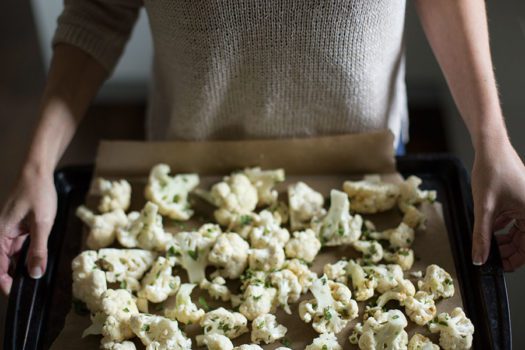
Okay, be honest… did you know roasted cauliflower was even a thing before AIP? Me neither. Pre-AIP I thought cauliflower was best served boiled with liquid cheese poured over it. B-O-R-I-N-G. Looking back, I’m so sad I missed so many opportunities to eat delicious roasted cauliflower, which can easily be dressed up with a wide variety of herb and spice mixtures. I recently dreamed ...
AIP Stories of Recovery – October 2015
“AIP Stories of Recovery” is a success story series about regular people from the Autoimmune Protocol community who are changing their lives using the protocol. Each month a new person is featured and readers have the opportunity to discover all the different health challenges that are being overcome by folks just like themselves on the same path. At Autoimmune Paleo we hope you’ll be inspired ...
Pomegranate Cider
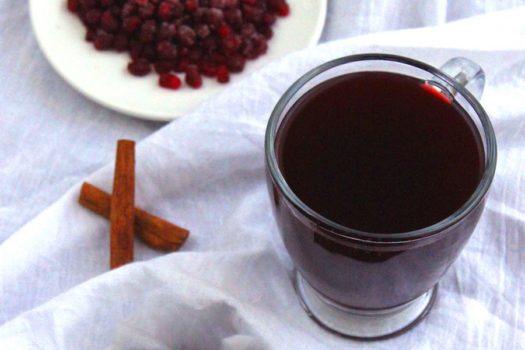
I love fall, and not only because the weather gets moderately less stifling here in Texas. Curling up on the couch with a good book and hot mug of cider has always been one of my favorite pastimes, ever since I was a kid. And while I love traditional apple cider, I couldn’t resist playing with other fruit juices for an equally warm, comforting, seasonal ...
Non-AIP Ingredients in Food, Body Products and Household Items
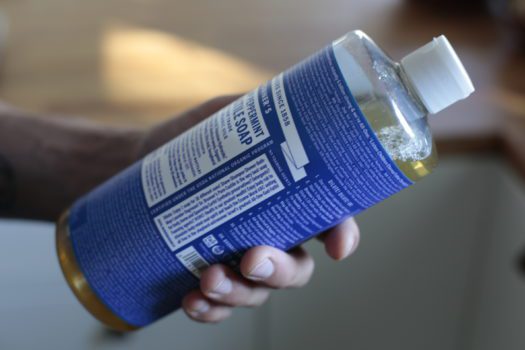
When you saw the title of this post, you might have thought, “Well that sure covers a lot of ground.” Yes, it does! Everyone on the Autoimmune Protocol knows to avoid dietary gluten. Hopefully you also know to check supplements and medications for hidden gluten and other ingredients that might cause trouble. For an AIP newbie, changing your diet and supplements, and getting the kitchen ...
Green Curry
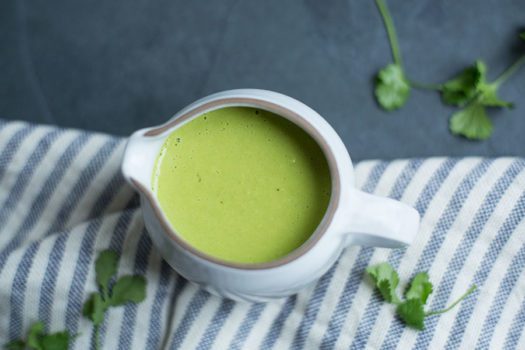
This past May I had the incredible opportunity to host a brunch at Mission: Heirloom, the world’s first restaurant that caters to those of us on the Autoimmune Protocol (can you believe it?!). While there are a few places you can grab an AIP-compliant meal, Mission Heirloom is the first to actually build their meals using an AIP foundation, so most of their menu caters ...
Meet Mickey + Angie

With five autoimmune diseases between them, Mickey and Angie found their path to better health with the Autoimmune Protocol. Now it’s their mission to share that approach with nourishing recipes, practical resources, and community connections.
LEARN MORE>
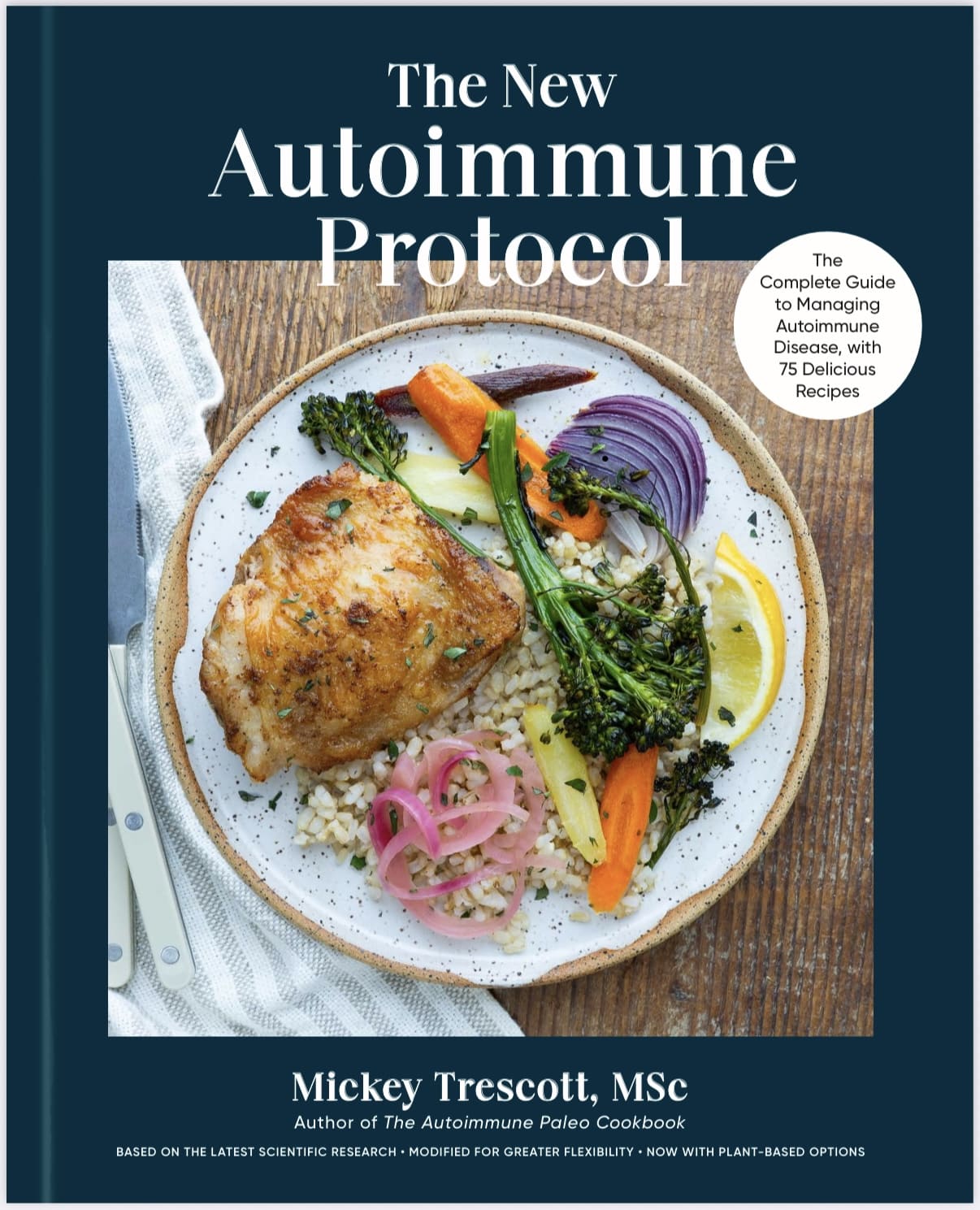
Preorder Mickey’s Updated Guide to AIP Releasing May 26
Check out the Podcast!
Our Print Books